Restoring form and function - Restauration de la forme et de la fonction
Open Carpal Tunnel Decompression Surgery
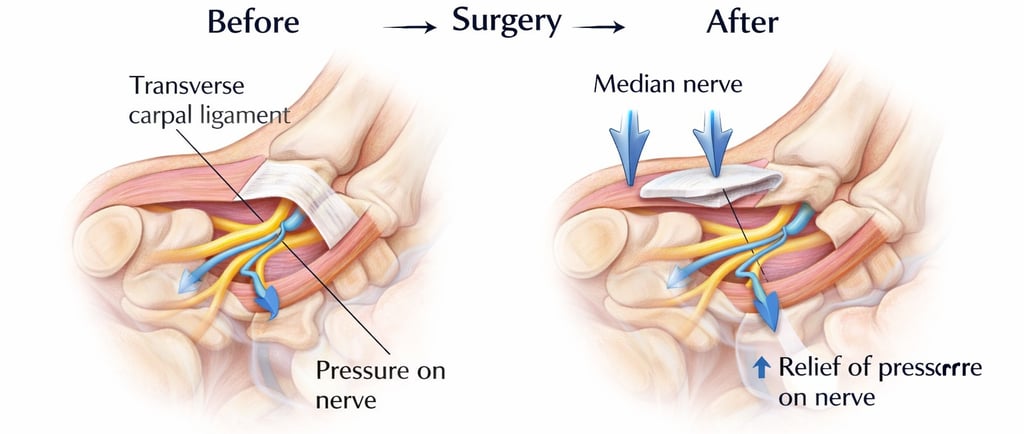
Open carpal tunnel decompression (or release) is a surgical procedure performed to relieve pressure on the median nerve at the wrist.
HAND SURGERYRAMQ - FUNCTIONAL
Dr. Becher Alhalabi
3 min read
1. What Is Open Carpal Tunnel Decompression Surgery?
Open carpal tunnel decompression (or release) is a surgical procedure performed to relieve pressure on the median nerve at the wrist. This pressure is caused by carpal tunnel syndrome, which can lead to symptoms such as:
· Numbness or tingling in the thumb, index, middle, and part of the ring finger
· Hand weakness
· Pain that may worsen at night
· Difficulty gripping objects
During surgery, the tight ligament over the carpal tunnel is released, creating more space for the nerve and helping relieve symptoms. This is typically a day surgery and does not require an overnight hospital stay.
2. How the Procedure Works
Before Surgery
You will meet with Dr. Alhalabi to confirm the diagnosis and discuss your symptoms and expectations, medical history and any relevant tests (nerve conduction studies). You will receive instructions regarding:
· Medications to stop or continue
· Recovery and time needed off work
· Any special issues related to your healing if you have certain conditions (diabetes, etc)
During Surgery
· The procedure is usually performed under local anesthesia (numbing the hand).
· A small incision is made in the palm of the hand (3-4 cms).
· The transverse carpal ligament is carefully released to relieve pressure on the nerve.
· The incision is closed with sutures and a dressing is applied. These sutures may or may not be self-dissolving
· Surgery typically takes 15–30 minutes.
After Surgery
· Your hand will be wrapped in a soft dressing or bandage.
· Pain is usually mild to moderate and managed with prescribed or over-the-counter pain medication. Narcotic prescriptions are usually not needed and are prescribed in certain situations.
· Immediate movement of the fingers is encouraged.
3. Postoperative Expectations
It is normal to experience:
· Swelling of the hand and fingers
· Mild to moderate pain or discomfort
· Temporary stiffness or weakness
· Tenderness at the incision site
Numbness and tingling often improve gradually, but nerve recovery may take weeks to months, depending on how severe symptoms were before surgery and the nerve conductions study.
Phase 1: Immediate Care (From Surgery Until First Follow-Up Appointment)
· Keep your dressing clean and dry.
· Do not remove the dressing unless instructed by your surgeon.
· Elevate your hand above heart level as much as possible to reduce swelling.
· Move your fingers gently and frequently to prevent stiffness.
· Avoid heavy lifting, gripping, or repetitive hand motions.
· Watch for signs of infection (increasing redness crawling up the arm, swelling, warmth, drainage, limited hand mobility or fever).
· Your first follow-up appointment is usually scheduled 7–14 days after surgery for wound check and suture removal if you had non-dissolving sutures.
· If you had dissolving sutures, your first follow-up appointment is usually scheduled 4-6 weeks after surgery.
· Dissolving sutures melt as your body absorbs them by inflammation. It is normal that your skin becomes red around the sutures, with possible white liquid from the suture holes. This is your body dissolving the sutures and you need to help it by rubbing the sutures with clean water.
Phase 2: Early Recovery (Up to 6 Weeks Post-Surgery)
· Swelling and discomfort gradually decrease.
· Light daily activities may be resumed as tolerated.
· Stitches are removed if not absorbable.
· You may be advised to begin gentle hand and wrist exercises.
· Avoid forceful gripping, heavy lifting, or prolonged pressure on the palm.
Phase 3: Long-Term Recovery (6 Weeks and Beyond)
· Grip strength and hand function continue to improve.
· Scar massage may be recommended to reduce tenderness and stiffness.
· Most patients return to full activities, including work and sports, depending on job demands.
· Some residual tenderness at the incision site (“pillar pain”) can persist temporarily and usually improves over time.
4. Risks and Possible Complications
Open carpal tunnel decompression is a safe and commonly performed procedure, but potential risks include:
· Infection
· Bleeding
· Delayed wound healing
· Scar sensitivity or tenderness
· Temporary or persistent weakness
· Incomplete symptom relief
· Nerve or blood vessel injury (rare)
· Need for additional treatment or surgery (uncommon) – including further surgery or therapy
5. Alternatives and Other options
Depending on symptom severity, alternatives may include:
· Wrist splinting
· Activity modification
· Anti-inflammatory medications
· Corticosteroid injections
· Observation if symptoms are mild
Surgery is generally recommended when conservative treatments fail or when nerve compression is moderate to severe, especially with arthritis, diabetes, hypothyroidism and taking daily medications for similar medical conditions.
If you are not sure of the procedure or have further concerns or questions, feel free to book a supplementary pre-operative appointment. If you are still unsure or unconvinced, you have the right to a different opinion from a colleague specialist, please let us know.